Eggs, Butter and the Cholesterol Plot Twists: Food Myths Sorted
Cholesterol nutrition is where everyone’s information is fifteen years old: eggs were villains, then acquitted; butter was toxic, then ‘back’, then complicated. The science moved — here is the current map of what actually moves your blood numbers. (Your own lipid panel and doctor outrank any article, including this one.)

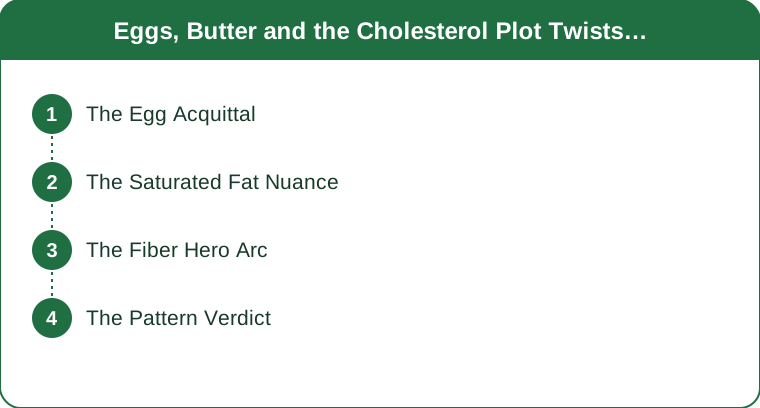
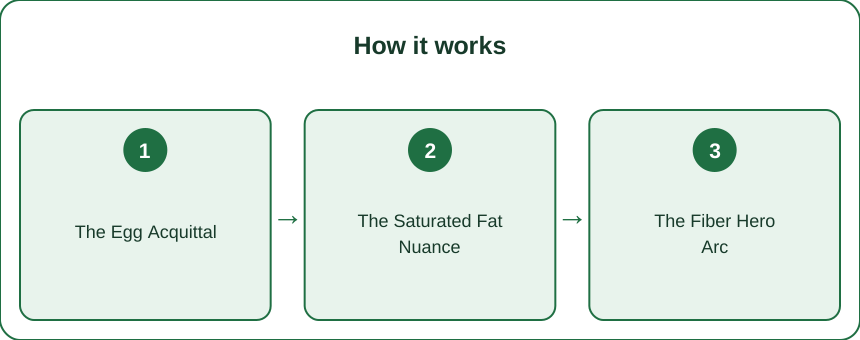
The Egg Acquittal
Dietary cholesterol (the cholesterol IN food) moves blood cholesterol far less than assumed — the body compensates production for most people. Eggs earned their pardon: current guidance treats them as fine for most, in the context of an overall pattern. The yolk was framed.
The Saturated Fat Nuance
The real dietary lever on LDL is saturated fat — butter, fatty meats, coconut oil — which raises it for most people (the butter-is-back headlines outran the lipid panels). The upgrade path: swapping saturated for unsaturated (olive oil, nuts, fish) improves numbers measurably. Swap, not just subtract.

The Fiber Hero Arc
Soluble fiber — oats, beans, apples, psyllium — binds cholesterol in digestion and escorts it out: the boring hero with consistent trial evidence. The oatmeal-and-beans pattern can move LDL meaningfully. Add-first beats cut-first, again.
The Pattern Verdict
No single food decides your panel — patterns do: Mediterranean-style eating out-performs every ingredient-level rule, and genetics deal the base hand (some women eat perfectly and still need medication — biology, not failure). Test, pattern, retest: the only cholesterol advice that never expires.
Eggs pardoned, saturated fat still the lever, soluble fiber the quiet hero, patterns over ingredients. The fifteen-year-old headlines can retire — your next lipid panel responds to this decade’s map.
Keep Reading
This article is for general informational purposes only and is not medical advice. Always consult a qualified health professional for guidance specific to you.